
“Detection: Exploring, Innovating, Locating, Uncovering”
2027 Call for Papers
April 1-3, 2027, hosted in Minneapolis, Minnesota.
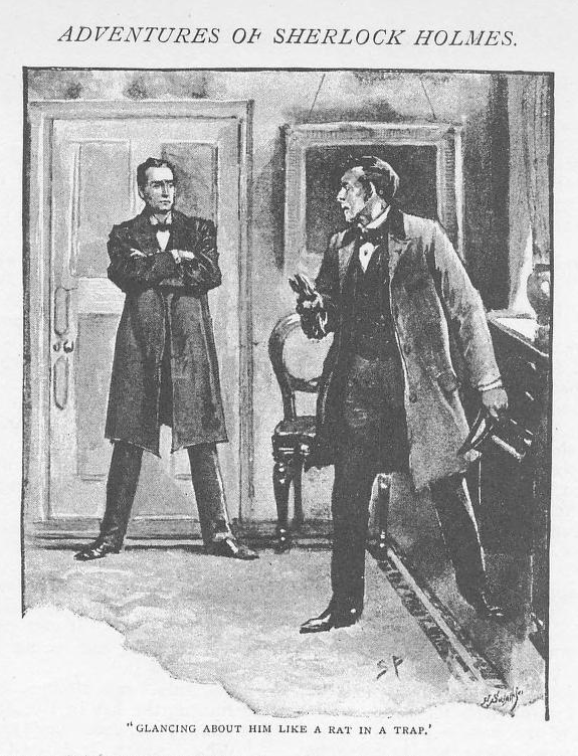
From the rise of detective fiction to medical breakthroughs to resource extraction, processes of detection are central to the various forms of “progress” hailed in the Victorian period. Exploration built empires, and methodical information-seeking and field differentiation created a Victorian professional class and sets of disciplinary boundaries that are still familiar today. At what cost? scholars of the period ask. Here, detection becomes an interesting metaphor and heuristic for considering the research methods that uncover forgotten documents and suppressed voices, that make new connections, that reopen questions and offer new readings. MVSA 2027 welcomes proposals for papers across all disciplines that consider detection in one of its many forms. These might include, but are not limited to:
- Medical innovation and diagnostic breakthroughs
- Policing, crime-solving, forensic medicine, the court system
- Methodologies of detection: observation, induction, deduction
- Forms of surveillance and tracking, especially as tools of marginalization; privacy and anonymity
- Puzzles, anomalies, cold cases
- Archival mysteries
- Encryption and decryption, coding and decoding
- Literary detectives and the rise of detective or sensation fiction
- Exploration, mapping, geographic mysteries
- Resource-seeking and collecting (mining, minerology, botany, etc.)
- Spiritualism and seances, ghost photography
- Art fraud and authentication
- Tracing influences or signs of erased collaboration (musical antecedents, literary forebears, artistic lineages, “silent” or silenced partners)
- Locating new voices or modes or genres, including in music or art
- Deciphering markets and detecting economic crises
- Women detectives and sleuths, historical and literary
- People operating in the shadows (“low” occupations, marginalized voices, disenfranchised groups)
- Criminals, outliers, and unknown others
- Locating care networks
- Gender and/as mystery, cross-dressing, trans and non-binary identities
- Systemic erasures of disability, racialized identities, class status
- Canon formation and whose work gets left out
- New pedagogical possibilities; please also see this CFP on “(Un)Teaching Empire” from Undisciplining the Victorian Classroom (proposals due November 30, 2026)
Conference highlights include:
- The 2027 Stedman Lecture will be delivered by Aviva Briefel (Bowdoin College).
- A collaborative exhibit of materials from the Sherlock Holmes Collection, the Wangensteen Historical Library of Biology and Medicine, and other University of Minnesota special collections
- Celebration of MVSA’s 50th anniversary
- A special issue (to be published June 2028) of Victorians: A Journal of Culture and Literature, based on MVSA 2027; all papers presented at the conference may be opted in for consideration
How to Apply:
Please submit an abstract (~300 words) and brief CV (2-page max) for individual papers. For a complete panel or roundtable, submit a brief overview, plus individual paper abstracts and brief CVs (2-page max) for all participants. Apply by December 7, 2026, through this Google form (https://bit.ly/MVSA2027). MVSA welcomes applications from scholars at all career stages.
For information on past MVSA conferences, visit the Archives section of the website.